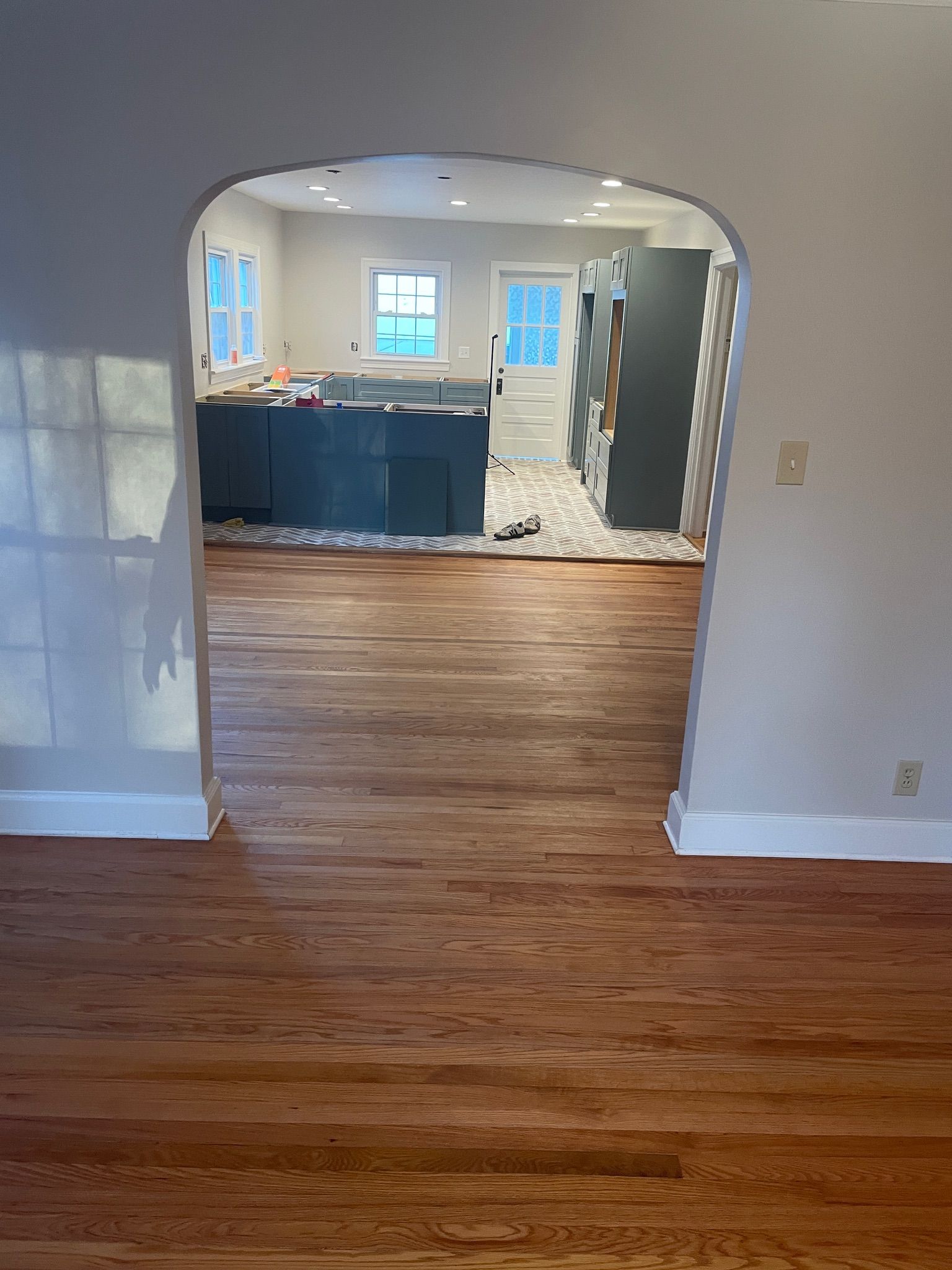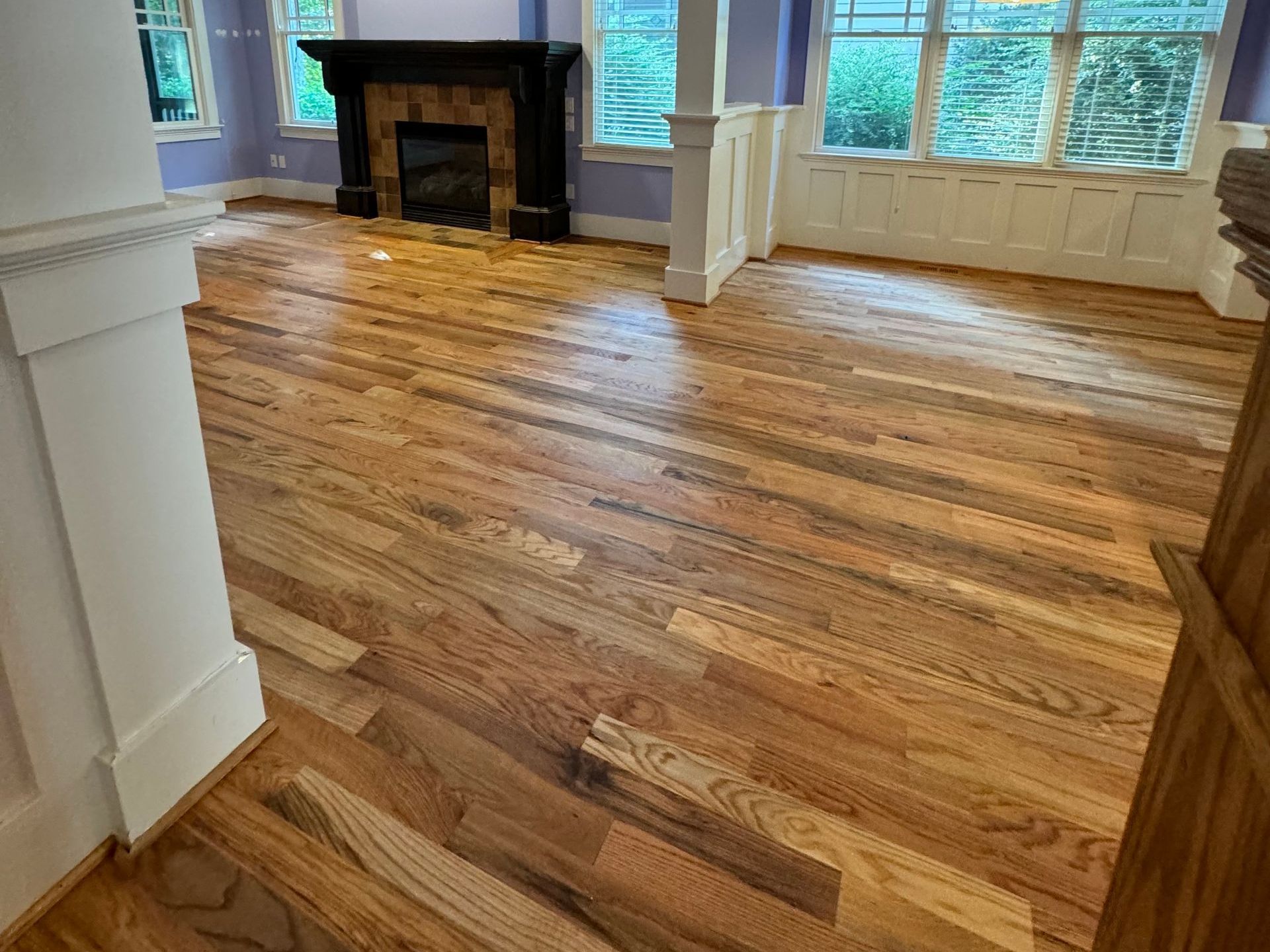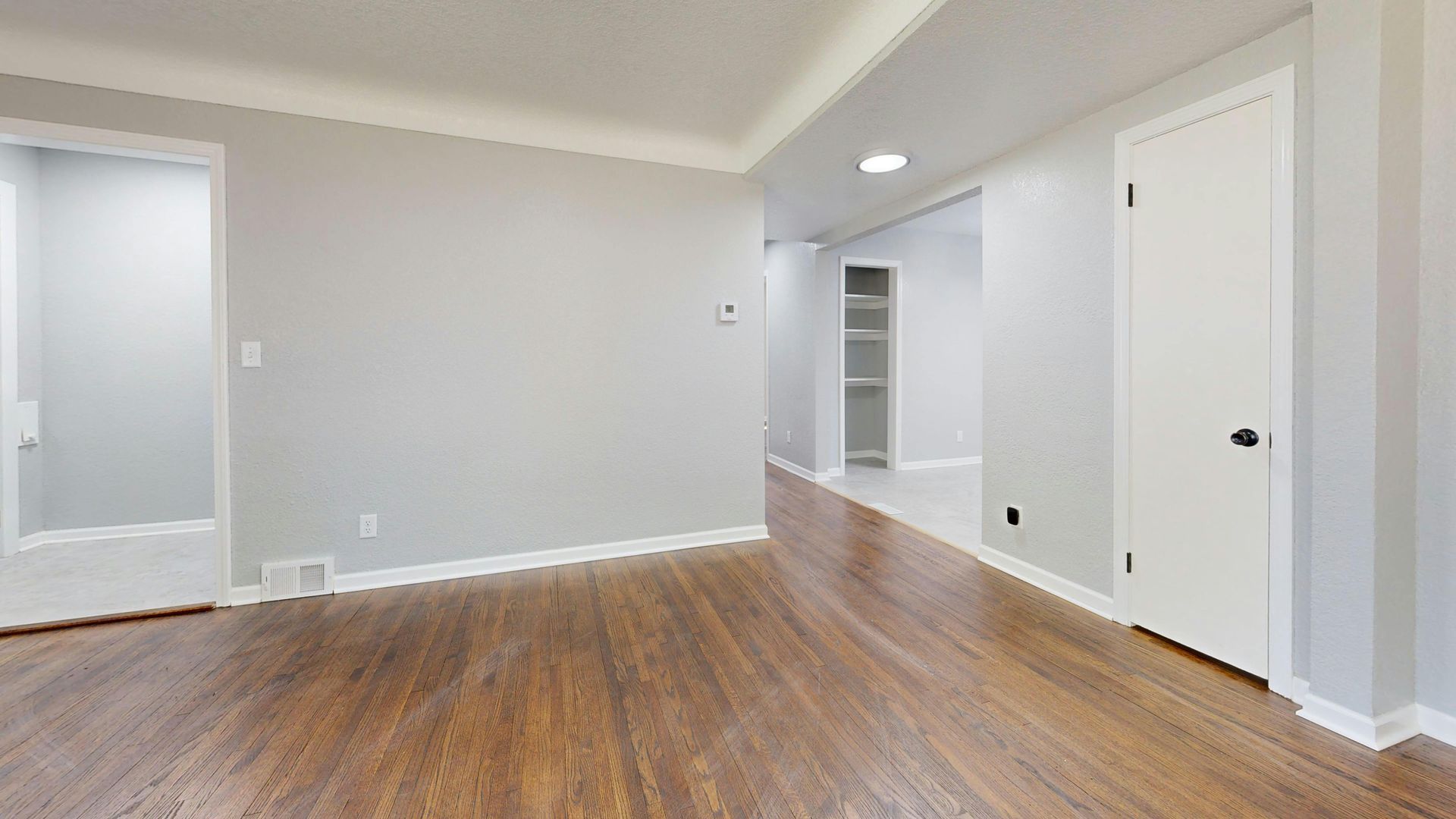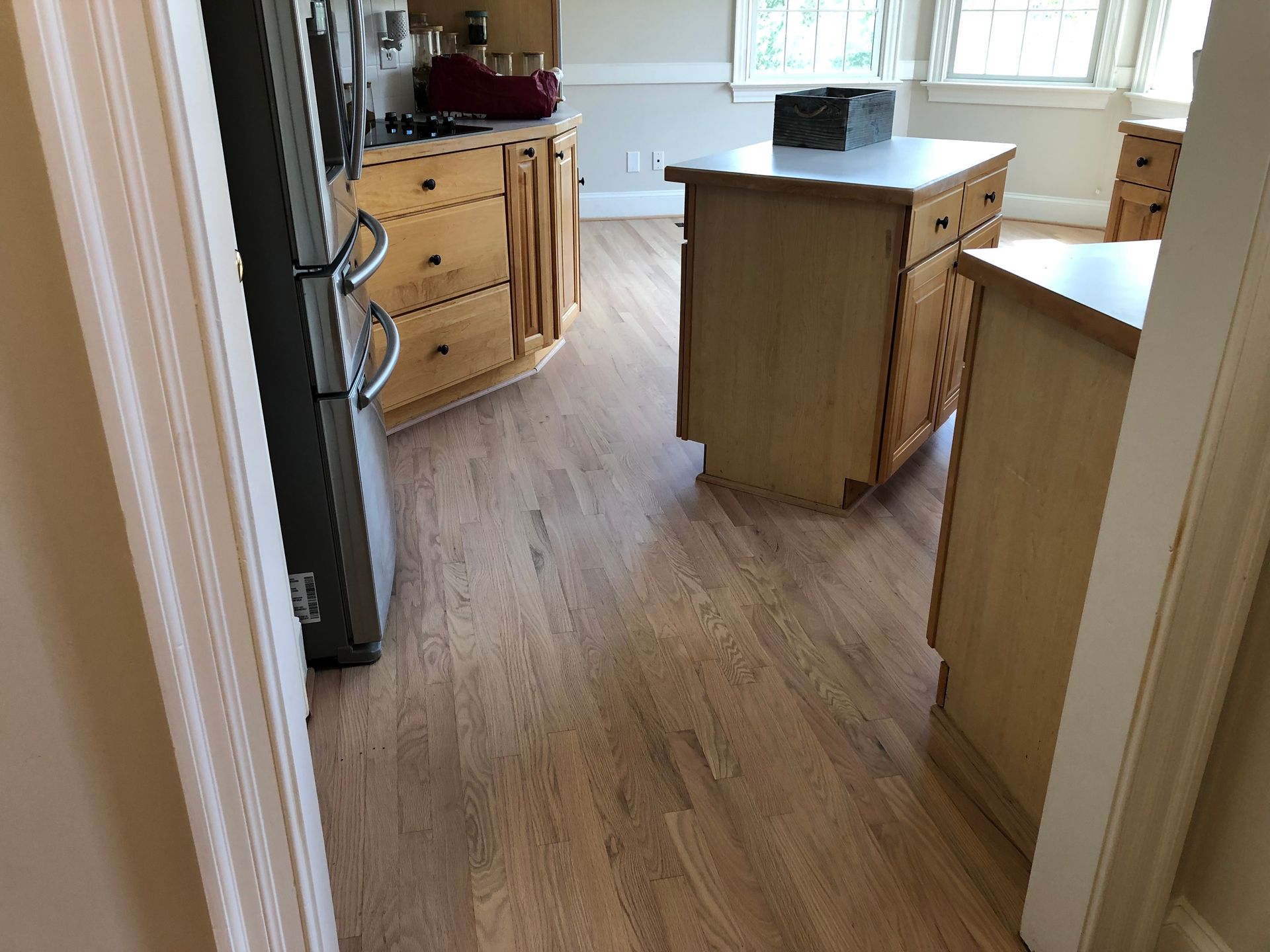
Scratches and Surface Wear on Residential Hardwood Flooring
This is a subtitle for your new post
How Natural Oil Finishes Offer a more Natural, Repairable, and Long-term Solution for Maintaining Beautiful Floors
Hardwood flooring is one of the most valued features in any home. It brings warmth, character, and a natural elegance that immediately elevates a space. However, over time, even the most beautifully installed floors begin to show signs of change. Scratches, dull patches, and areas of uneven sheen slowly appear, especially in high-traffic areas. For many homeowners, these changes can feel concerning, particularly when the floor once looked smooth, rich, and flawless.
It often starts subtly. A faint line that only appears when the light hits at a certain angle. A small dull patch in a hallway that wasn’t noticeable before. Gradually, more areas begin to lose their original depth and clarity, leading homeowners to wonder whether something has gone wrong with the flooring itself. Questions like “Is my floor damaged?” or “Do I need to replace it?” become common.
The truth is that scratches and surface wear are not only normal in residential hardwood flooring, they are expected. More importantly, they are manageable when understood correctly and treated with the right system of care and finishing.
Why Scratches and Surface Wear Naturally Happen in Homes
Hardwood flooring is constantly interacting with its environment. Every step taken across its surface creates small amounts of friction. Even when floors appear clean, microscopic particles such as dust, sand, and grit can act like abrasives underfoot. Over time, these particles slowly create fine scratches that reduce the clarity and smoothness of the finish.
In most homes, wear becomes most visible in high-traffic areas such as entryways, kitchens, hallways, and living rooms. These spaces naturally experience more movement, which means the protective surface layer is exposed to constant micro-abrasion. This does not indicate poor quality flooring, it simply reflects normal daily use.
Pets can also contribute to surface wear through nail contact, even when well-groomed. Furniture movement is another common cause, especially when items are dragged instead of lifted or protected. Even small, repeated actions over time gradually affect the floor’s surface appearance.
Lighting conditions further influence how noticeable these changes become. A floor may appear perfect under one lighting condition, yet show scratches or dullness under another. This often gives the impression that damage has suddenly appeared, when in reality it has been developing gradually.
In homes across Raleigh, Cary, Apex, and Chapel Hill, we consistently see this same pattern. Floors are not failing; they are simply reflecting years of real-life use.
Over time, this gradual change becomes more noticeable not because the floor suddenly worsens, but because the contrast between high-use and low-use areas becomes more defined. Areas that once looked identical begin to separate visually, especially when light shifts across the surface during different times of the day. This is often when homeowners start to question whether something is wrong, even though the flooring is still functioning exactly as intended.
What These Marks Actually Mean for Your Floor
When scratches and surface wear appear, many homeowners assume the flooring itself is failing. In most residential cases, however, the issue is not structural damage to the wood, but rather wear to the protective surface layer.
Most hardwood flooring is finished with a protective coating designed to shield the wood from moisture, staining, and everyday wear. This layer is responsible for the floor’s shine and smooth appearance. Over time, this coating naturally begins to thin in high-use areas, resulting in dull patches, light scratches, and uneven reflection.
These surface marks usually affect only the finish, not the wood underneath. The structural integrity of hardwood flooring remains strong even as surface appearance changes. Deeper scratches that penetrate into the wood are less common and typically occur due to heavy impact or prolonged abrasion in one area.
What homeowners are observing, more often than not, is the natural aging of the surface finish rather than damage to the flooring itself.
Why Some Floors Age Differently Than Others
Not all hardwood floors show wear in the same way or at the same speed. In some homes, changes appear within a few years, while in others, floors remain visually consistent for much longer.
This difference is not random. It is influenced by:
- Amount of foot traffic
- Exposure to sunlight
- Type of finish applied
- Cleaning habits and maintenance routine
- Presence of pets and furniture movement
Even within the same home, different rooms age differently. A hallway or kitchen will almost always show wear sooner than bedrooms or low-traffic areas. This is simply how hardwood flooring responds to real-world living conditions.
In fact, this type of natural variation is one of the reasons hardwood remains a preferred flooring choice in residential homes. Unlike synthetic materials that maintain a uniform appearance until failure, hardwood evolves with the home. It reflects patterns of movement, lifestyle habits, and environmental exposure in a way that feels organic rather than artificial. This aging process is not a flaw in the material, but part of its character and long-term behavior.
Why Traditional Finishes Show Wear More Clearly Over Time
Many traditional hardwood flooring systems rely on film-forming surface coatings. These coatings sit on top of the wood, creating a protective barrier that initially delivers a smooth and glossy appearance. However, as wear begins to develop, it remains trapped within that surface layer.
This means scratches, scuffs, and dull patches become more visually obvious over time. Instead of blending into the floor, wear stands out against the uniform surface, especially under natural or directional lighting. As the coating ages, some areas remain glossy while others become dull, creating an uneven visual effect that can make floors appear more worn than they actually are.
This is where many homeowners begin to feel that their floors are aging poorly, even though the underlying issue is simply how the finish responds to wear.
Why Natural Oil Finishes Offer a Better Long-Term Solution
At Grades Hardwoods, we often recommend natural oil finishes as a more sustainable and visually natural way to protect hardwood flooring over time.
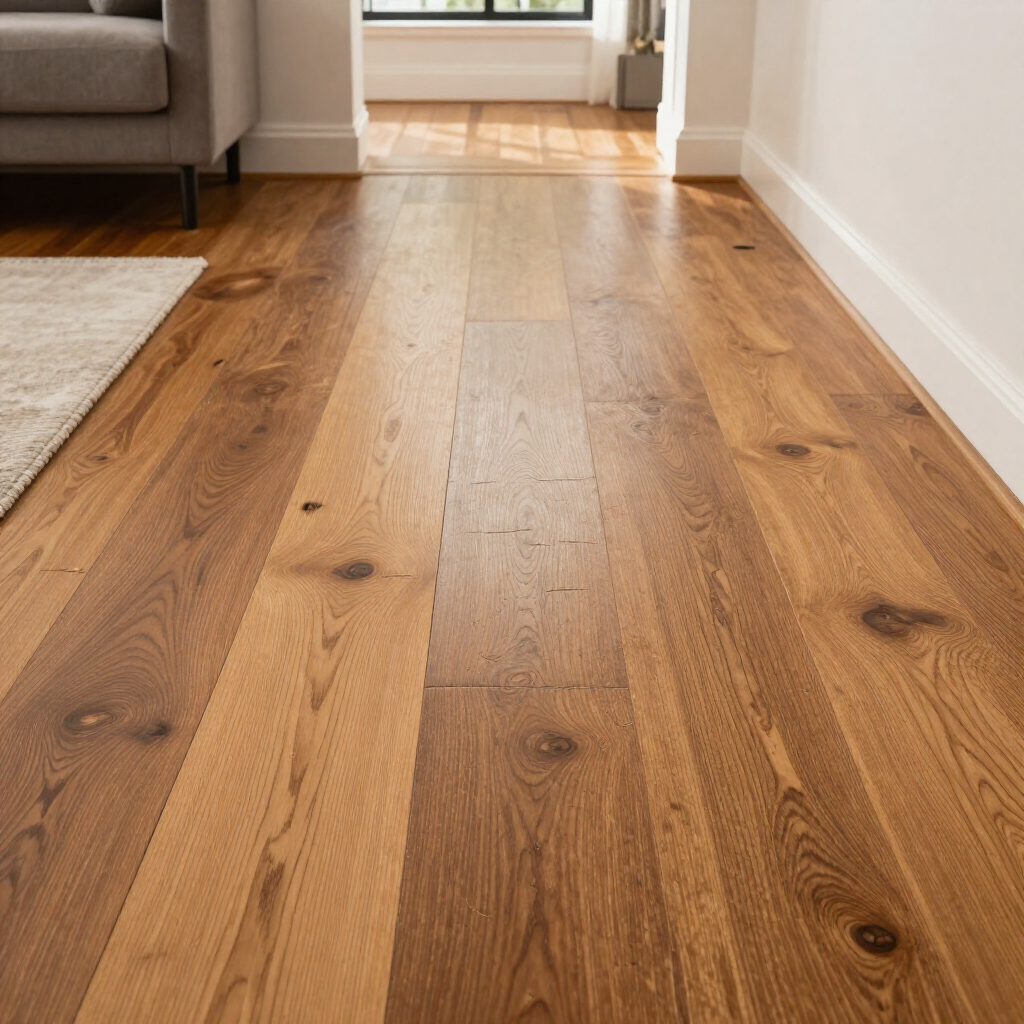
Unlike surface coatings that sit on top of the wood, natural oil finishes penetrate deeply into the wood fibres. Instead of forming a separate layer, the oil becomes part of the wood itself, enhancing its natural structure while providing internal protection.
This fundamentally changes how wear appears. When scratches occur on a naturally oiled floor, they do not stand out in the same way they do on coated surfaces. Instead, they tend to blend more naturally into the surrounding wood because there is no artificial top layer separating the damage from the material itself.
Over time, this creates a more organic and even aging process where the floor develops a natural patina rather than visible surface damage. The floor does not look “worn out”—it looks lived in, rich, and characterful.
Another major advantage of natural oil finishes is repairability. Instead of requiring full sanding and refinishing for visible wear, many areas can be locally maintained and re-oiled. This allows homeowners to restore specific sections of the floor without disrupting the entire space, making long-term maintenance more flexible and cost-effective.
A More Practical Way to Maintain Hardwood Floors
Natural oil finishes also make ongoing maintenance more manageable. Because the finish is absorbed into the wood, it can be refreshed over time without stripping away the entire surface. Regular re-oiling helps replenish protection, restore depth of colour, and maintain the natural richness of the wood.
This makes natural oil systems especially suitable for active homes with pets, children, or heavy foot traffic. Instead of reacting to visible damage, homeowners can maintain the floor proactively with periodic care.
Combined with simple habits such as regular cleaning, protective pads under furniture, and minimizing grit exposure, hardwood floors can maintain their beauty for much longer.
For many homeowners, the key shift in understanding comes when they realize that flooring decisions do not have to be reactive. Instead of waiting until wear becomes visually overwhelming, hardwood floors can be maintained proactively through the right finishing system and periodic care. In many cases, early awareness and proper maintenance can extend the life and beauty of hardwood floors significantly without the need for replacement.
Why Understanding Floor Wear Helps Homeowners Make Better Decisions
One of the most important things homeowners can understand is that surface wear is not an immediate sign of failure, it is a progression.
Many flooring decisions become stressful because wear is misunderstood. Homeowners often jump directly from “I see scratches” to “I need new floors,” without realizing there is an entire range of restoration options available in between.
In reality, hardwood floors often go through multiple stages:
- Light surface wear (normal use)
- Visible dulling or sheen variation (finish aging)
- Localized scratches or traffic patterns (high-use areas)
- Full refinishing stage (surface reset)
Understanding this progression helps homeowners make better, more cost-effective decisions. In most cases, floors that look “tired” are still structurally strong and fully restorable. The key is identifying the right level of intervention instead of assuming replacement is the only option.
At Grades Hardwoods, this is one of the most important parts of our process, helping homeowners understand what stage their floor is in, and what solution actually makes sense long-term.
Restore, Don’t Replace
Scratches and surface wear are not signs of failure, they are signs that hardwood flooring is being lived on. Every mark reflects movement, activity, and life within a home.
The difference lies in how the flooring system responds to that natural wear over time. Traditional coatings often highlight wear as visible damage, while natural oil finishes allow the floor to age in a more natural, repairable, and visually balanced way.
If your hardwood floors are beginning to show scratches, dullness, or surface wear, it does not necessarily mean they need to be replaced. In most cases, it simply means the surface is ready for renewal.
At Grades Hardwoods, we help homeowners across Raleigh, Cary, Apex, and Chapel Hill restore their hardwood floors through careful sanding, refinishing, and finish selection tailored to each home.