What’s the Big Buzz About Engineered Hardwood Flooring?
So what makes engineered hardwood different?

What’s the Big Buzz About Engineered Hardwood Flooring?
If you’ve been researching new flooring options, chances are engineered hardwood flooring keeps popping up in conversations, showrooms, and online searches. It’s one of the fastest-growing flooring choices for homeowners today, and the attention isn’t just marketing hype. Engineered hardwood has earned its reputation by combining the beauty of real wood with modern performance advantages that fit today’s homes and lifestyles.
So what makes engineered hardwood different, and why are so many homeowners choosing it over traditional solid hardwood or synthetic alternatives? Let’s break it down in a clear, practical way so you can decide whether it truly makes sense for your space.
Engineered hardwood flooring is made with a genuine hardwood surface layer bonded to a strong, multi-layered core. That top layer is real wood, often oak, maple, hickory, walnut, or other popular species, which means the floor looks and feels exactly like solid hardwood once installed. Beneath that surface, the layers are arranged in a cross-grain pattern designed to improve strength and stability. This construction is the key reason engineered hardwood performs so well in modern homes.
One of the biggest reasons engineered hardwood has become so popular is its ability to handle changes in moisture and temperature better than traditional solid hardwood. Wood naturally expands and contracts as humidity levels rise and fall, which can cause problems like cupping, gapping, or buckling over time. Engineered hardwood is designed to reduce that movement, making it a much more reliable option in homes where humidity levels fluctuate throughout the year.
This added stability opens the door to installations that were once considered risky or impossible for hardwood floors. Engineered hardwood can often be installed over concrete slabs, on lower levels of the home, and even in basements when proper moisture conditions are met. For homeowners who love the look of wood but were previously told it wasn’t an option in certain rooms, engineered hardwood is often the solution.
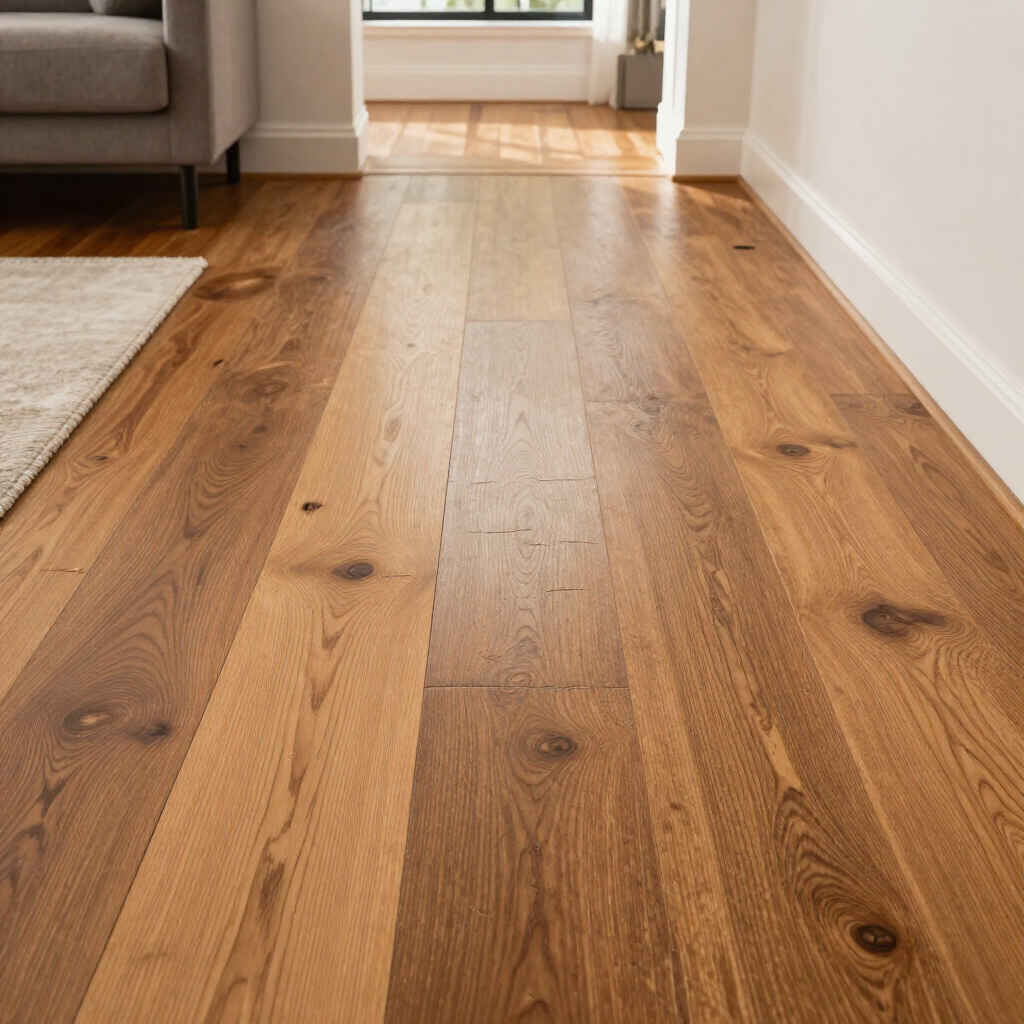
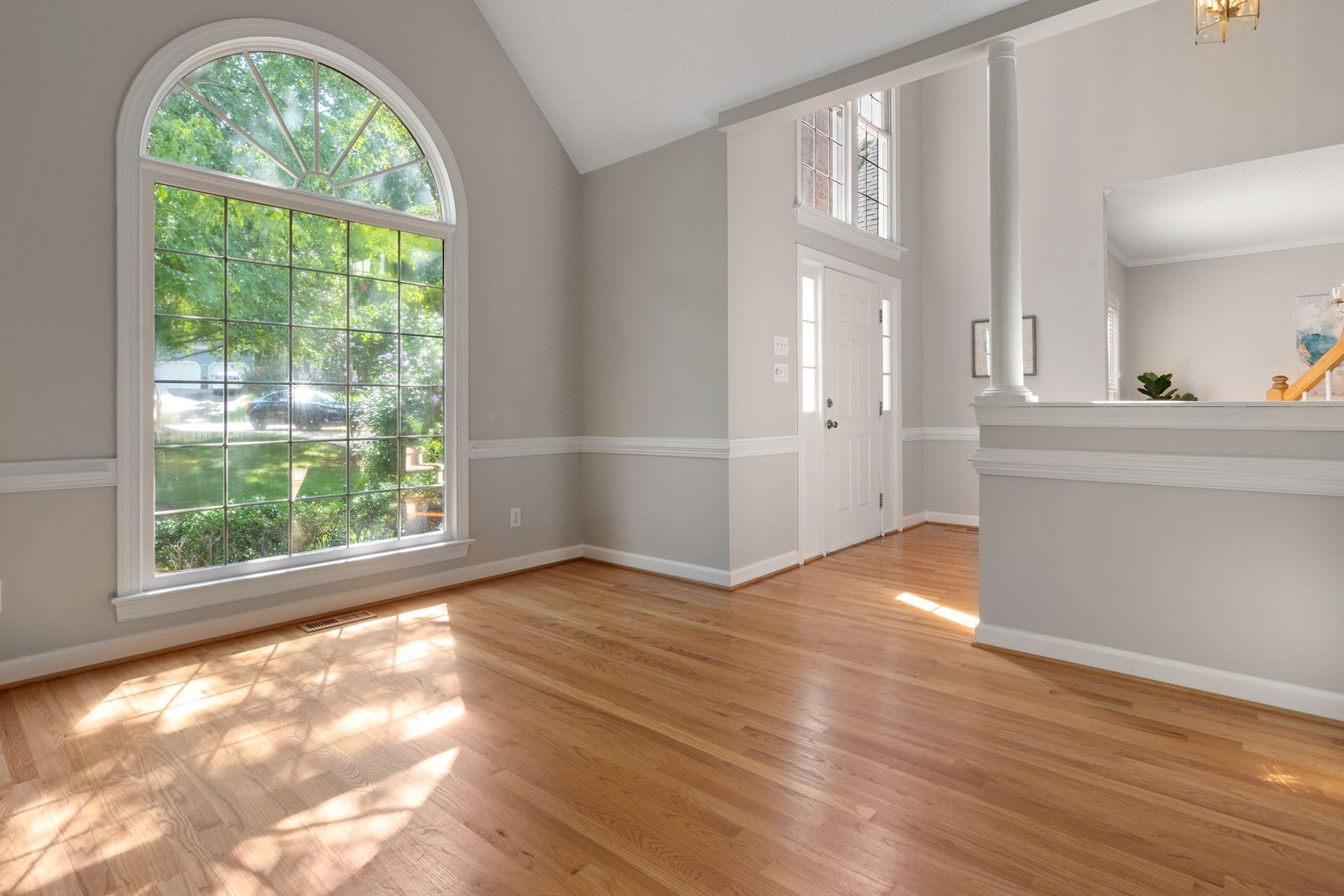
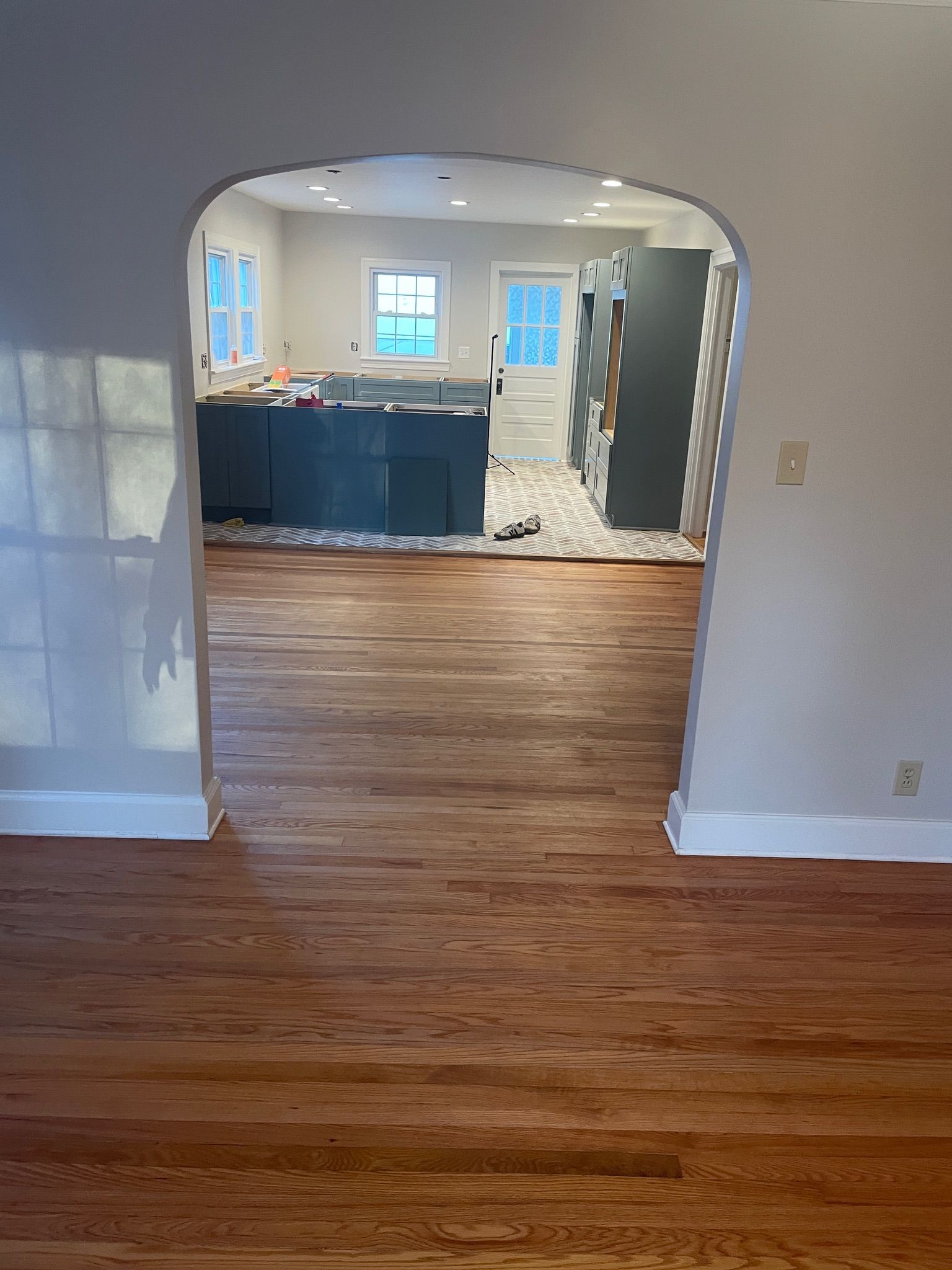
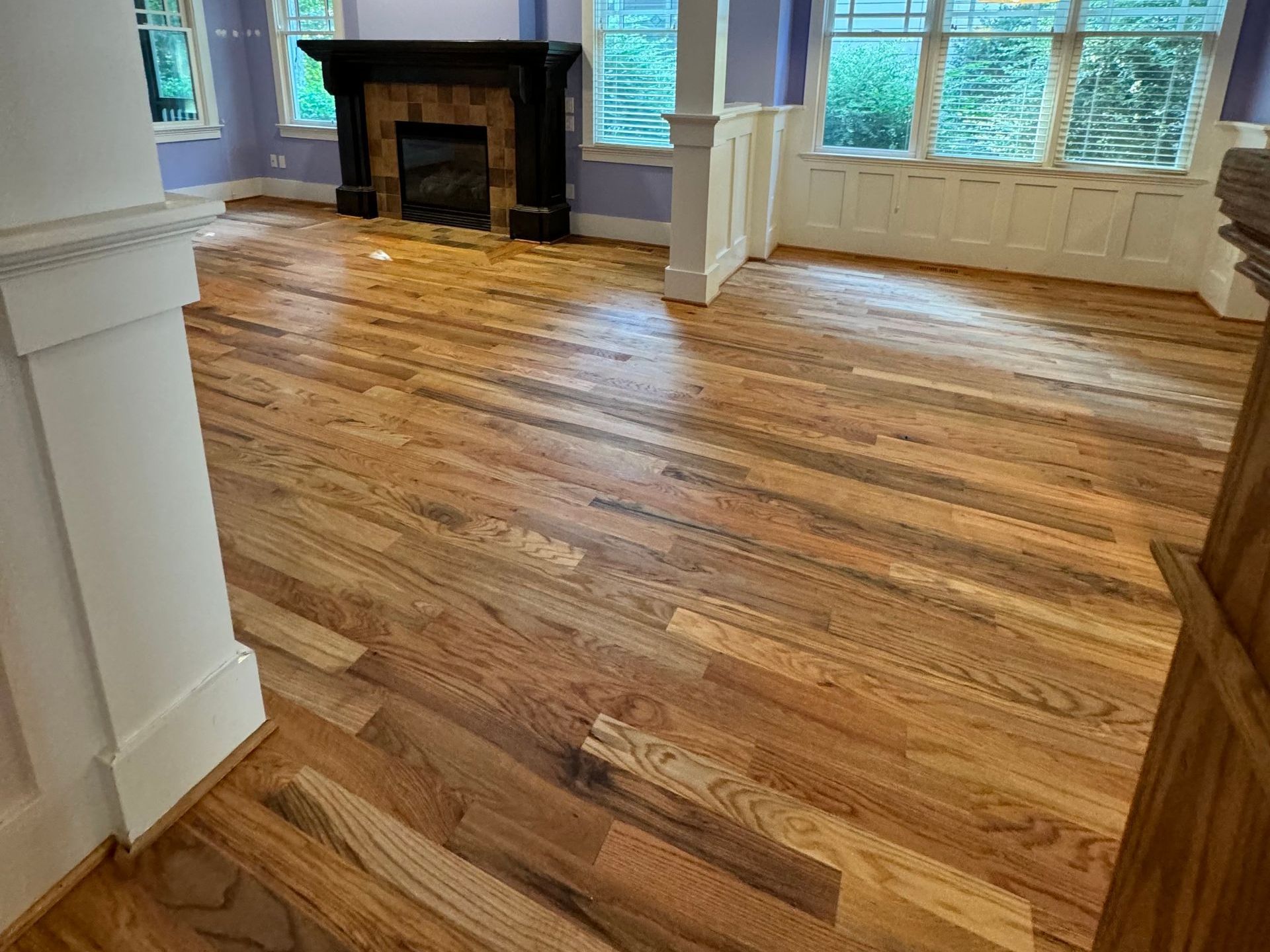
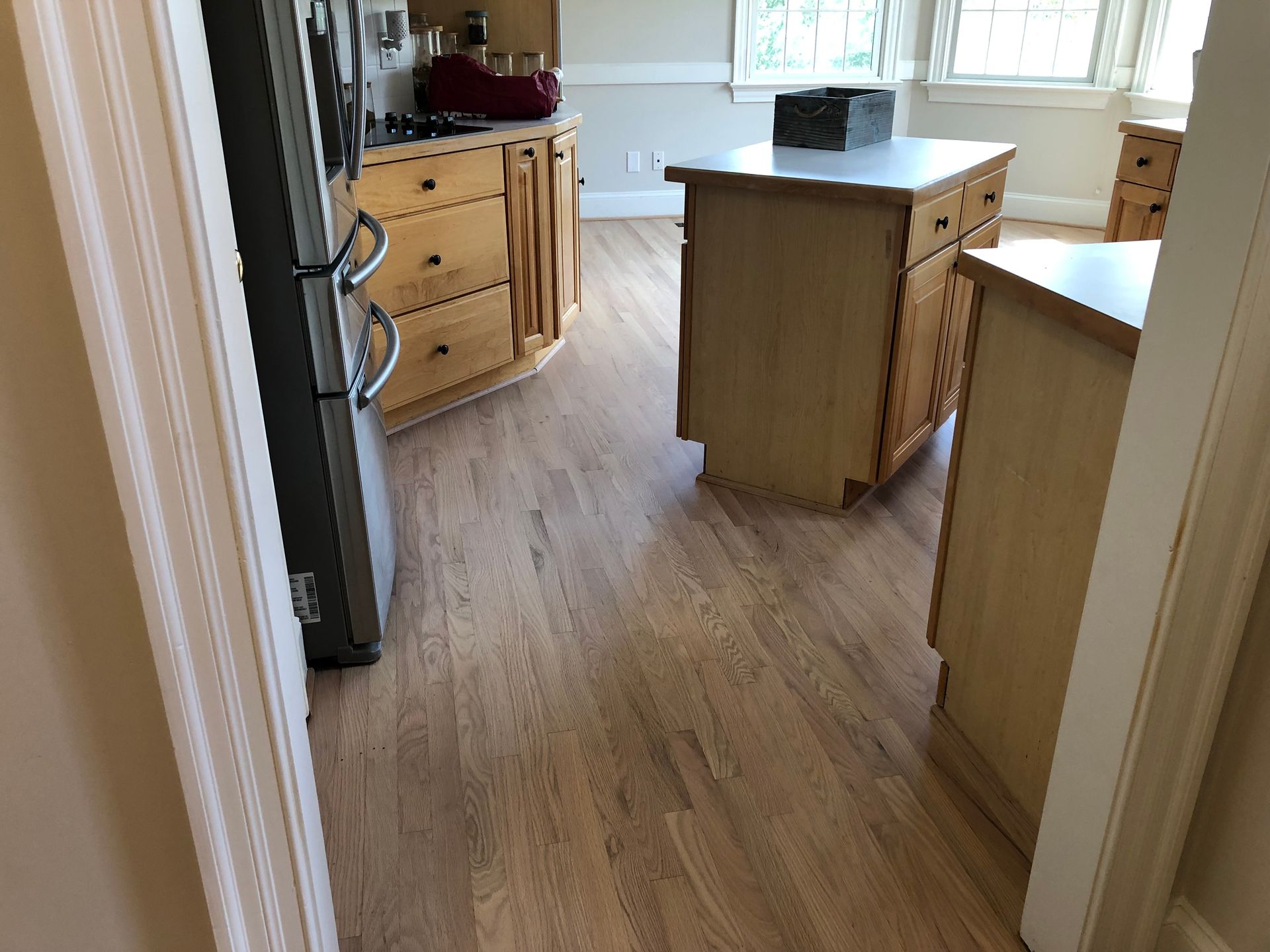
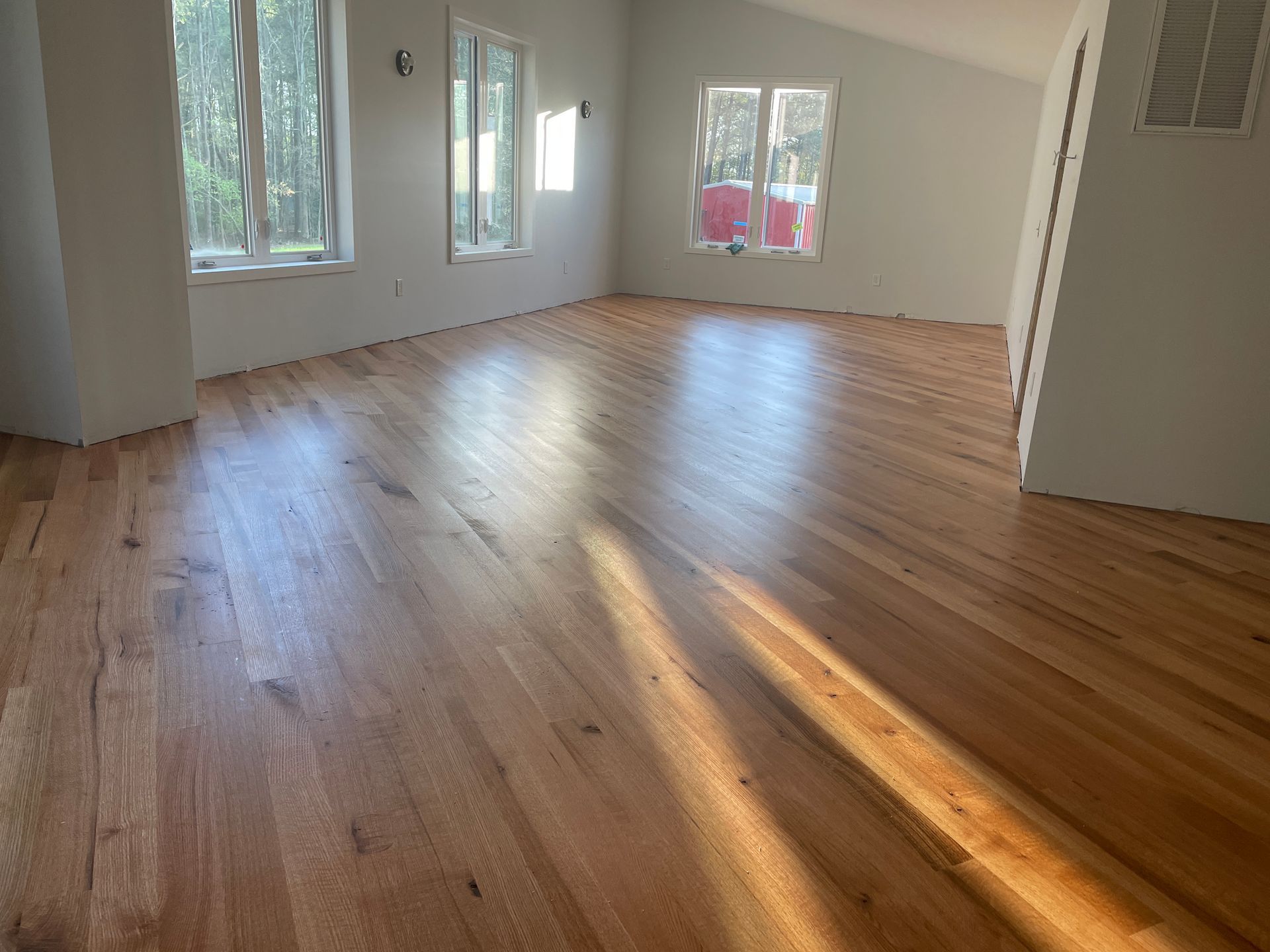
Another reason for the buzz is that engineered hardwood doesn’t compromise on appearance. Because the surface layer is real wood, every plank has natural grain patterns, color variation, and texture that can’t be replicated by printed or synthetic materials. The warmth underfoot, the way light reflects off the grain, and the depth of character all contribute to the same timeless look people expect from traditional hardwood floors.
Many homeowners are surprised to learn that engineered hardwood can be refinished, depending on the thickness of the top wood layer. Higher-quality engineered floors often have a wear layer thick enough to allow sanding and refinishing at least once, and sometimes more. This means the floor can be refreshed years down the line rather than replaced, adding to its long-term value. It’s important to choose the right product if refinishing is a priority, but the option is very much real.
Design flexibility is another major reason engineered hardwood continues to gain momentum. Manufacturers are able to offer wider planks, longer boards, and more consistent finishes than were traditionally available with solid hardwood. This has made engineered flooring especially popular in open-concept homes, where wide planks create a seamless, modern look that flows beautifully from room to room.
The range of finishes available today also plays a big role in its popularity. From soft matte and satin finishes that hide everyday wear to wire-brushed and textured surfaces that add character, engineered hardwood can be tailored to match nearly any design style. Whether a home leans classic, rustic, or contemporary, there is an engineered hardwood option that fits the aesthetic.
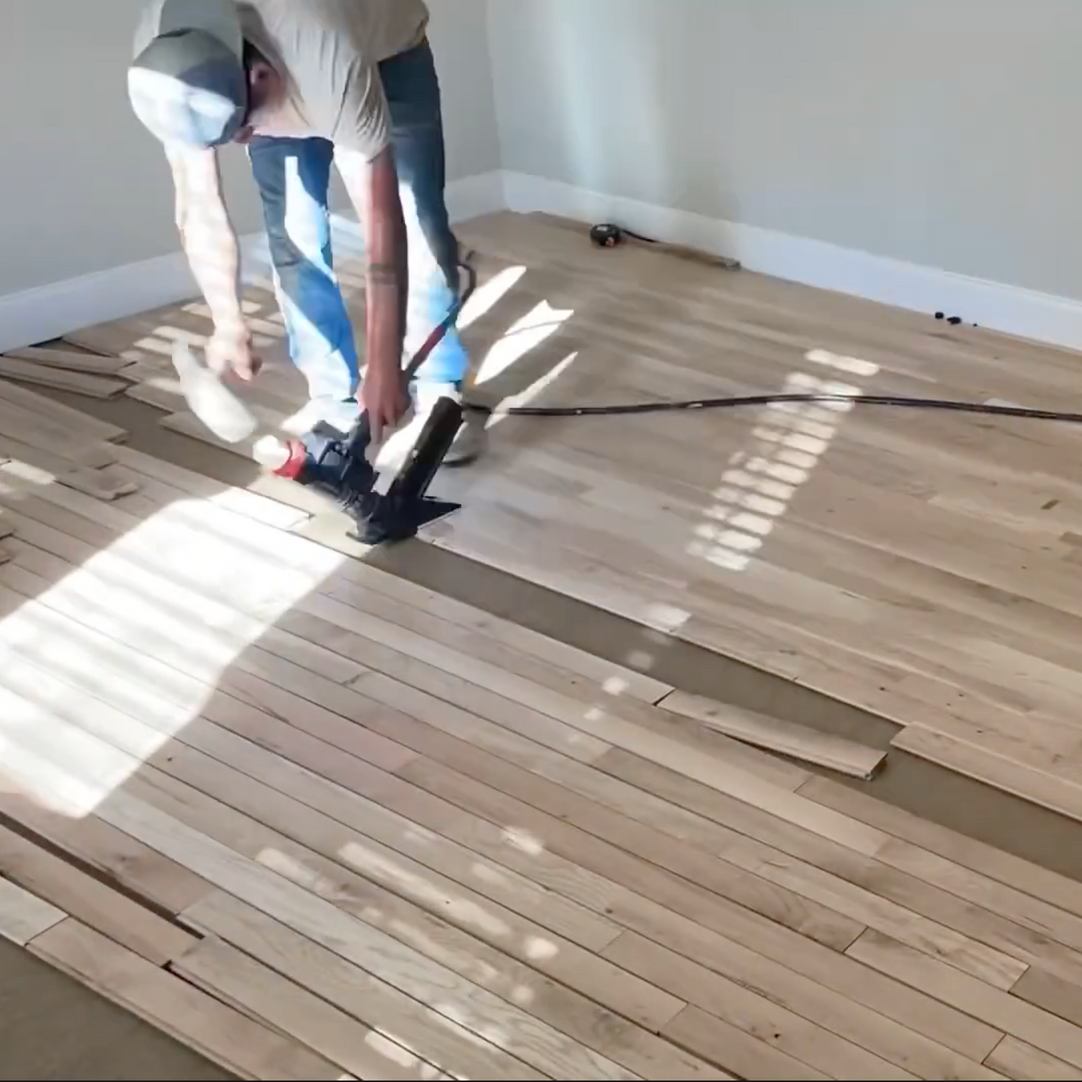
Installation versatility is another area where engineered hardwood shines. Depending on the product and subfloor, it can be installed using different methods, including floating, glue-down, or nail-down techniques. This flexibility allows installers to choose the approach that best supports long-term performance in each specific space. It also means fewer limitations compared to traditional hardwood, which typically requires a wood subfloor and specific installation conditions.
Cost is often part of the conversation, and engineered hardwood tends to offer strong value. While prices vary based on wood species, finish quality, and construction, engineered hardwood is often more affordable than comparable solid hardwood. Installation can also be more efficient in certain situations, which may help reduce overall project costs. When you factor in durability and performance, many homeowners find it to be a smart long-term investment.
There are still a few misconceptions that follow engineered hardwood around. One common belief is that it isn’t “real” wood, which simply isn’t true. The visible surface is genuine hardwood, not a printed image or imitation. Another misconception is that engineered hardwood is a lower-quality alternative, when in reality it’s a thoughtfully engineered product designed to solve real-world challenges that solid wood can face. It’s not a shortcut, but rather an evolution of hardwood flooring.
When comparing engineered hardwood to other popular options like luxury vinyl plank, the difference often comes down to authenticity and long-term value. Vinyl products are highly water-resistant and practical in certain environments, but they don’t offer the same natural warmth, texture, or ability to age gracefully. Engineered hardwood develops character over time and continues to feel like a true wood floor, which is something many homeowners value deeply.
Choosing the right engineered hardwood comes down to understanding your space, your lifestyle, and your expectations. Wood species, finish type, plank size, and wear-layer thickness all play a role in how the floor will look and perform over time. Homes with pets, children, or heavy foot traffic often benefit from more forgiving finishes, while moisture-prone areas call for products specifically designed for added stability.
The buzz around engineered hardwood flooring is well deserved. It offers the beauty of real wood with the flexibility and performance modern homes demand. It allows homeowners to enjoy hardwood in spaces that were once off-limits and provides a wide range of design possibilities without sacrificing durability. Whether you’re remodeling a single room or updating an entire home, engineered hardwood continues to prove why it has become one of the most trusted flooring choices today.
If you’re considering new wood floors and want something that balances beauty, performance, and long-term value, engineered hardwood flooring is absolutely worth a closer look.