Natural Oil vs. Polyurethane: Which Is Right For Your Home?
August 2026 | Featured Blog | The Finish Changes Everything
Natural Oil vs. Polyurethane:
Which Is Right for Your Home?
When homeowners choose hardwood flooring, most of the conversation centers around the wood.
White oak or red oak?
Solid or engineered?
What width?
What color?
But there's another decision that can have just as much impact on the finished floor:
What finish should go on it?
Natural oil and polyurethane are two very different approaches to finishing hardwood floors. Neither is universally right or wrong. They simply create different experiences. Understanding those differences can help you choose a floor that fits not only the way you want your home to look today, but also the way you want it to age.
The basic difference
The easiest way to understand the two finishes is to think about where the protection lives. Traditional polyurethane finishes create a protective film over the surface of the wood. The wood is still underneath, but the finish becomes the primary surface you see and touch. Natural oil finishes work differently. The oil penetrates into the wood fibers, enhancing and protecting the wood while maintaining a much more natural appearance and feel.
That fundamental difference affects almost everything else: appearance, texture, repairs, maintenance, and how the floor changes over time.
Appearance: Do you want to see the wood or the finish?
This is often the first difference homeowners notice. Polyurethane can create a range of appearances depending on the product and sheen. Today's water-based polyurethane finishes can be quite clear and low-sheen, while other systems can produce a more noticeable surface appearance.
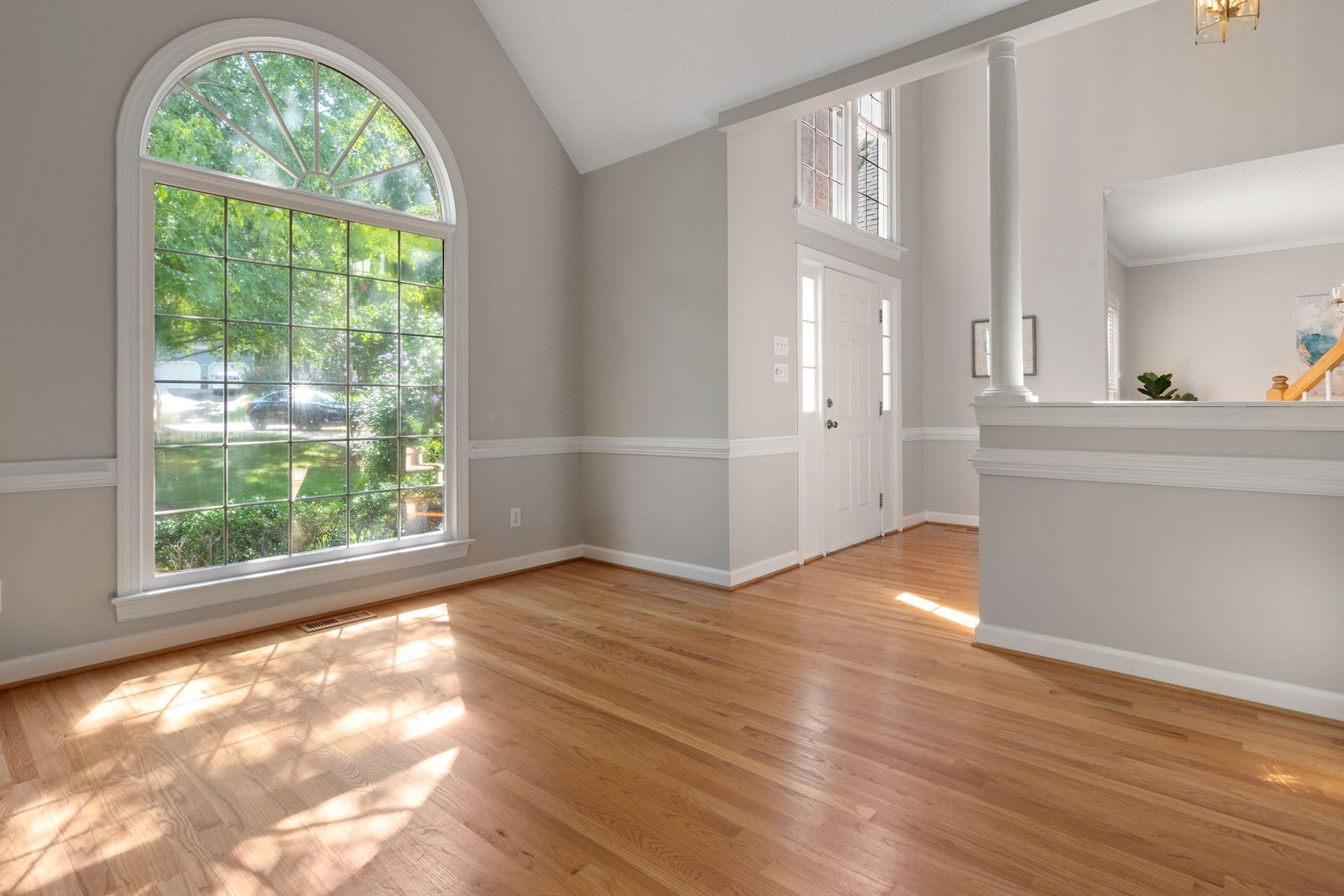
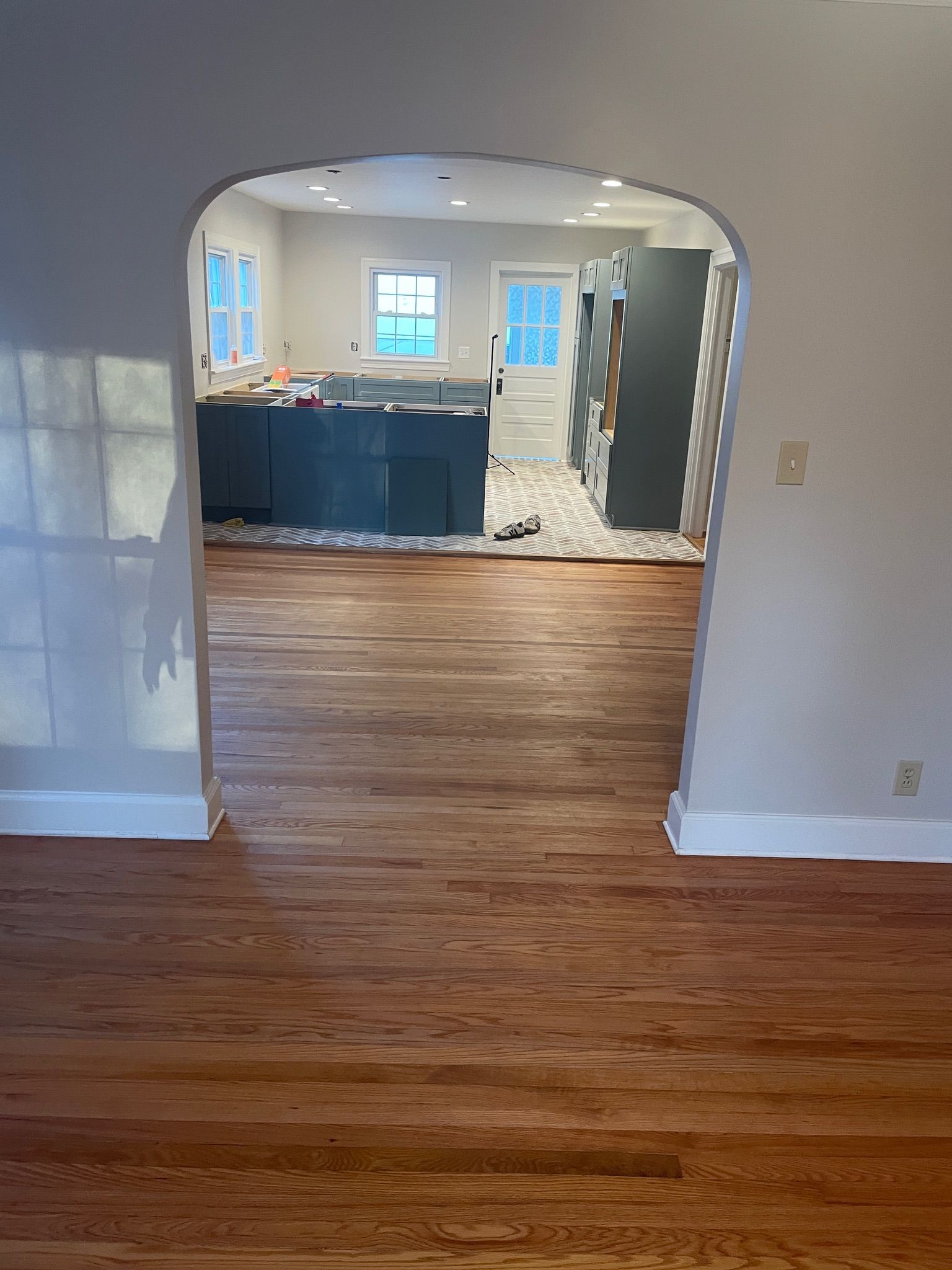
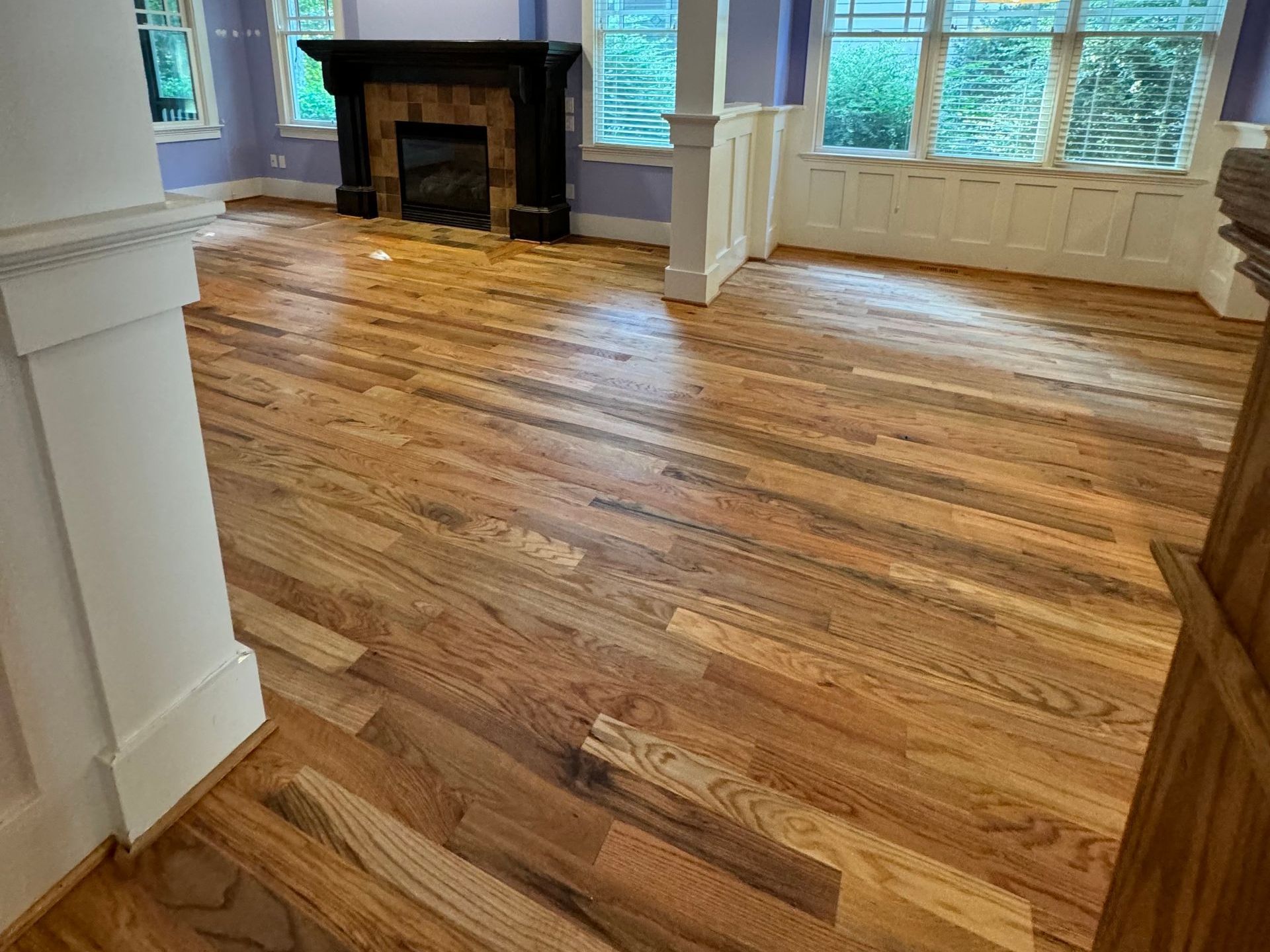
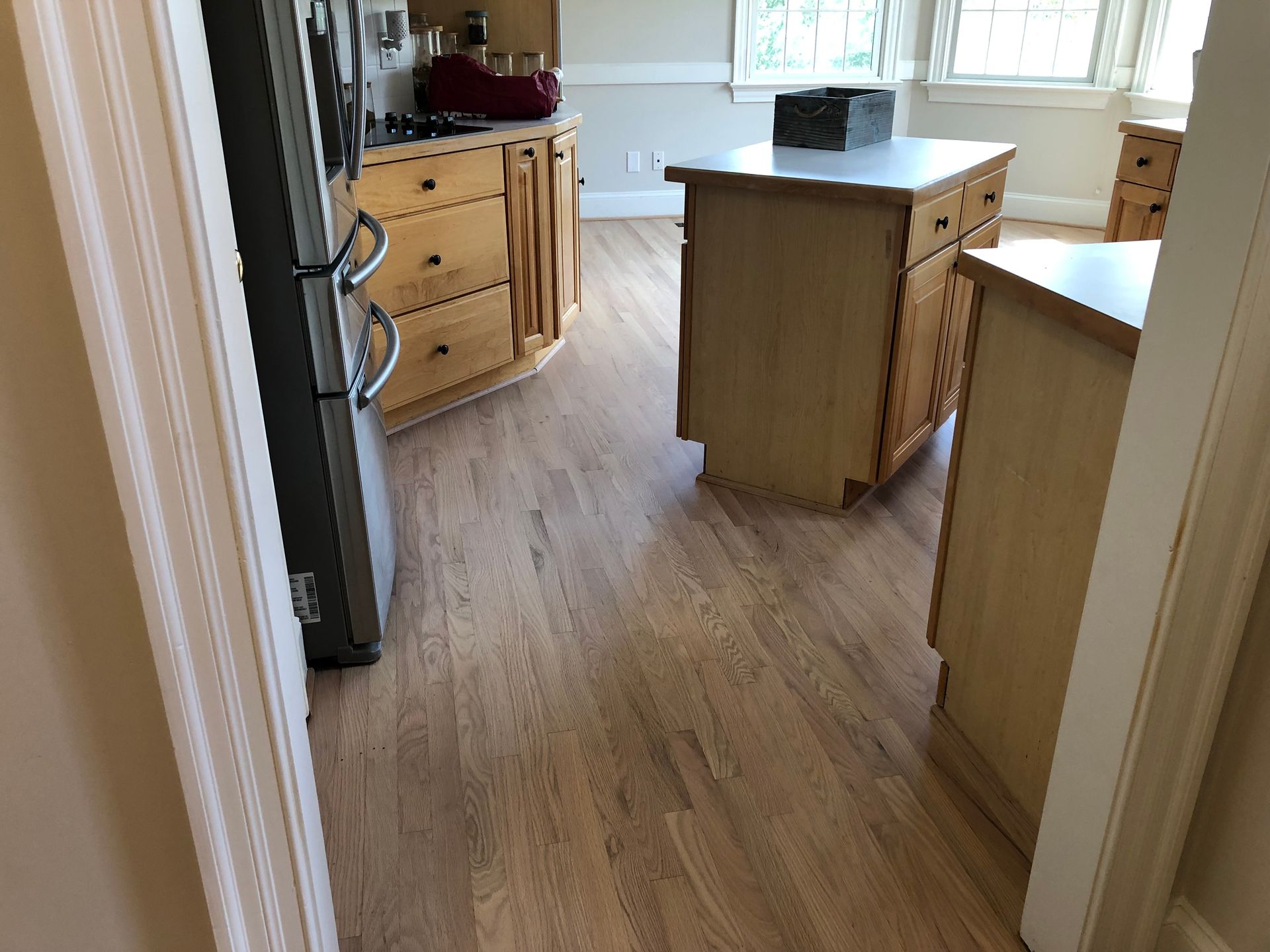
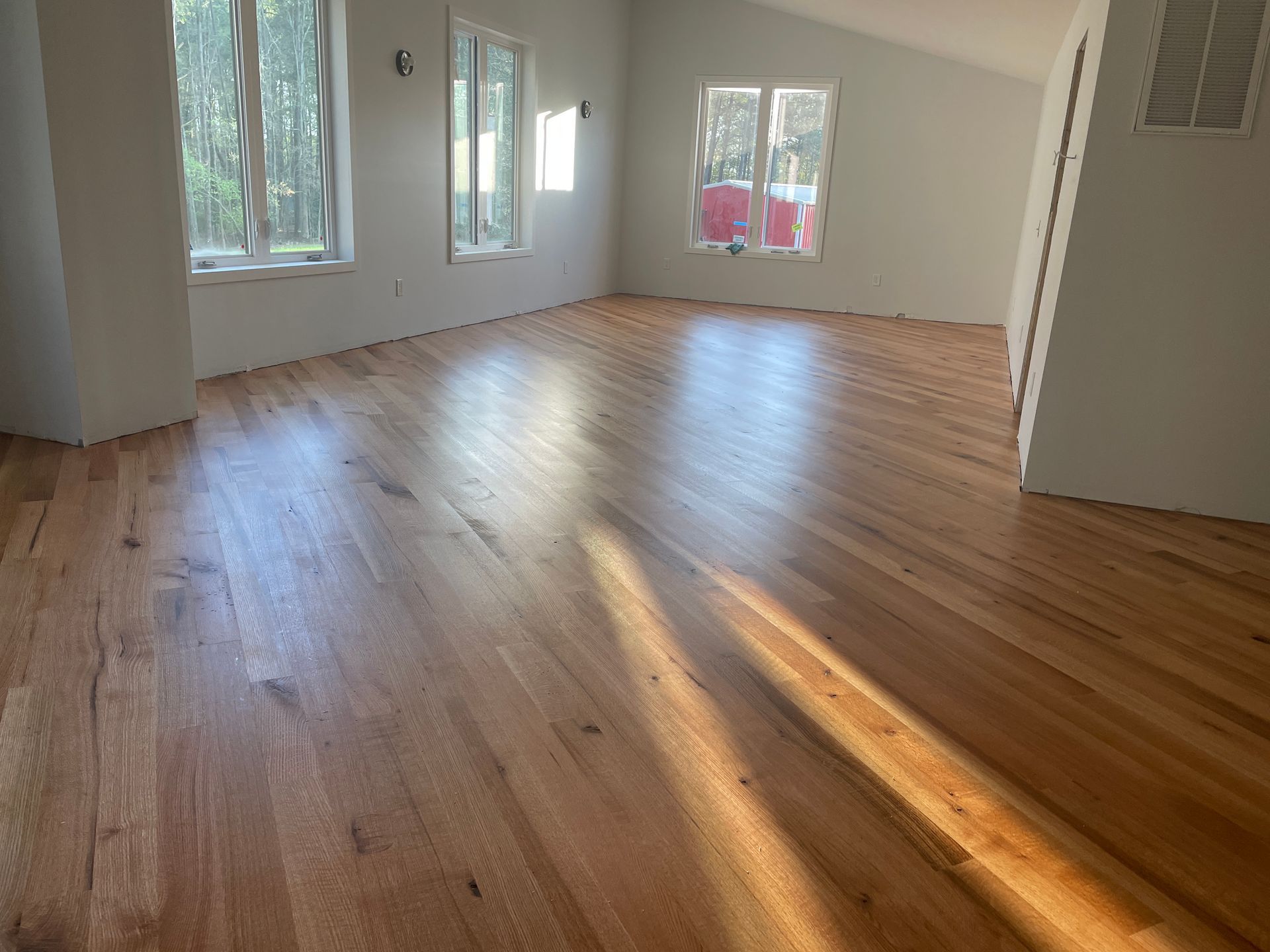
Natural oil tends to emphasize the wood itself. The grain, color variation, and natural character remain visually prominent. Rather than looking like there is a coating sitting on top of the wood, the floor has a more natural, organic appearance. This is especially noticeable with character-rich hardwoods such as white oak, red oak, and rift and quarter sawn flooring. For homeowners who want their floor to look and feel like wood—not like a wood product covered in a protective layer—that distinction can be important.
Feel: What happens when you walk across it?
The visual difference is only part of the story. There's also the way the floor feels. A polyurethane-finished floor has a distinct surface film. Natural oil finishes tend to retain more of the natural texture and feel of the wood. For some homeowners, that tactile difference is one of the reasons they prefer natural oil. This becomes especially noticeable in homes where hardwood is a major design element and where people want the floor to feel warm and natural rather than highly finished. It isn't necessarily something you can understand from a sample board alone. It's something you appreciate when you live with it.
Repairs: What happens when life happens?
Every hardwood floor will eventually experience some wear.
A chair moves.
A dog runs across the room.
Something gets dropped.
A piece of furniture leaves a mark.
That's normal.
The question is what happens next.
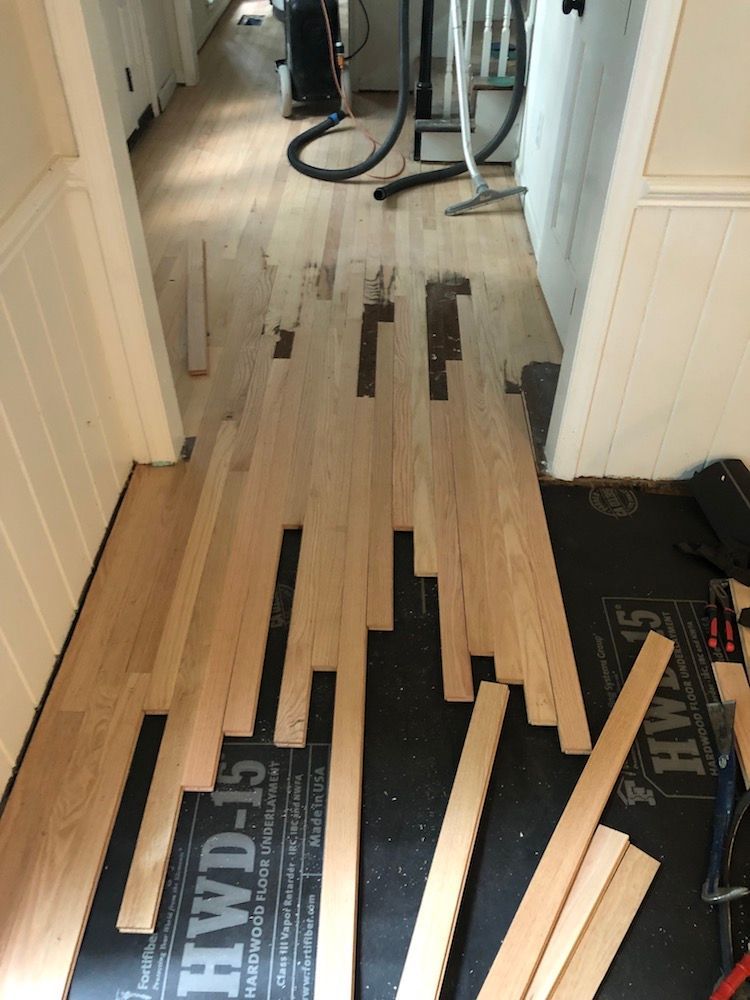
Because polyurethane creates a surface film, repairing significant damage can involve working with that film and may require refinishing a larger area to make the repair blend properly. Natural oil finishes offer a different approach. Because the oil is integrated into the wood rather than forming the same type of surface film, localized repairs can often be simpler. Depending on the damage and the specific finish system, individual areas can sometimes be repaired without treating the entire floor. That's one reason natural oil can be appealing to homeowners who want a floor that is easier to live with over the long term. It doesn't mean a natural oil floor won't scratch. It will. It means the approach to dealing with those scratches can be different.
Aging: What do you want your floor to look like in ten years?
This is one of the biggest questions we encourage homeowners to consider. Do you want your floor to stay as close as possible to its original appearance? Or do you like the idea of your floor developing character as your home develops character? A film-forming finish and a natural oil finish age differently. Natural oil floors can develop depth and patina as they are lived on. Small marks and variations can become part of the story of the floor rather than automatically making the floor look old or worn out. For homeowners who appreciate natural materials, this can be a major advantage.
Think about an old piece of solid wood furniture. The little marks don't necessarily make it less beautiful. Sometimes they're exactly what makes it interesting. A natural oil floor can have a similar quality.
Maintenance: Is natural oil maintenance complicated?
This is another area where there's a common misconception. Some homeowners hear “natural oil” and assume it means constant maintenance.
It doesn't have to. Like any hardwood floor, a natural oil floor needs regular cleaning and reasonable care. Use the appropriate cleaner for the finish, avoid excessive water, and protect the floor from unnecessary abuse. Depending on the finish system and the condition of the floor, additional maintenance or re-oiling may be recommended over time. But re-oiling isn't automatically something every natural oil floor must have done every year.
The right maintenance schedule depends on the product, the environment, traffic, and how the floor is being used. The important thing is to understand what your particular finish requires.
What about VOCs?
VOCs, or volatile organic compounds, are chemicals that can be released into the air as certain products are applied and cure. This is an area where homeowners often have questions, particularly if they are sensitive to odors or are trying to make more conscious choices about the products used inside their homes. Different polyurethane and natural oil products have different formulations, so it isn't accurate to say that every natural oil product has fewer VOCs than every polyurethane product. The important thing is to look at the specific product being considered. At Grades Hardwoods, we pay close attention to the products we use because the finish is being applied inside someone's home. We work with professional flooring systems designed for the job and can explain the specific characteristics of the products we're recommending.
So which one is right for your home?
This is where we come back to the homeowner in our featured story. She didn't choose natural oil because someone told her it was the “best” finish.
She chose it because she understood what she was choosing. If you want a consistent protective film and a finish that can provide a particular appearance and level of surface protection, polyurethane may be a very good choice. If you want a more natural appearance and feel, appreciate the way wood develops character, and value the possibility of easier localized repairs, natural oil may be worth considering.
The right choice depends on your priorities.
How do you want the floor to look?
How do you want it to feel?
How much do you care about being able to make localized repairs?
Do you want your floor to maintain a consistent appearance, or are you comfortable with it developing character?
What kind of maintenance fits your lifestyle?
These questions are more useful than simply asking which finish is “better.”
The finish is part of the design
We often think of the finish as the last step of a flooring project. But it shouldn't be. The finish influences the way the wood looks, feels, ages, and responds to everyday life. That's why we believe it belongs in the conversation from the beginning. A beautiful hardwood floor isn't just about selecting the right species or stain. It's about putting the right combination of wood, craftsmanship, and finish together. And when those decisions are made intentionally, the result is a floor that doesn't simply look beautiful when the project is finished. It feels right for the home.
Want to Understand Natural Oil Finishes Before You Decide?
We've created a free guide to help homeowners understand natural oil finishes without the sales pitch.
Inside the Natural Oil Finish Guide, you'll learn:
- How natural oil finishes differ from polyurethane
- What makes natural oil look and feel different
- How natural oil floors are maintained
- What to consider if you have children or pets
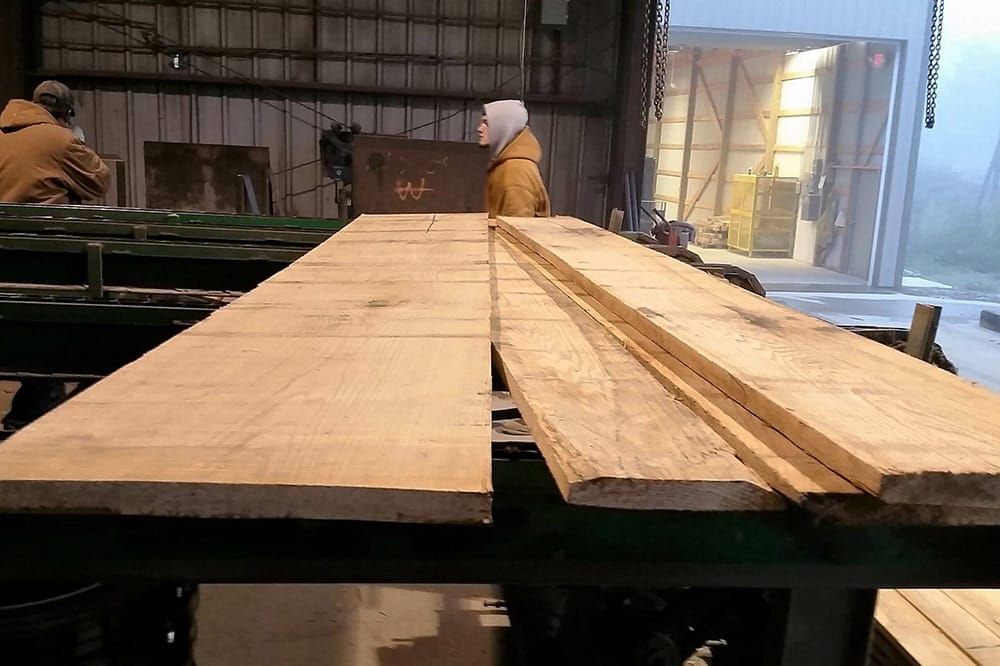
- Why the type of wood and how it is cut matter
- Whether a natural oil finish might be a good fit for your home
Download the Free Natural Oil Finish Guide
Learn first. Decide later.
At Grades Hardwoods, we believe the best flooring decisions happen when homeowners have enough information to make the choice confidently.